Audio generation is changing how we create content. It allows users to turn text into high-quality sound. You can create music, voices, or sound effects quickly. This technology saves time and reduces production costs. It is a powerful tool for creators and businesses alike.
Using AI for audio makes your workflow more efficient. You no longer need expensive studios for every small change. You can iterate on your ideas in minutes.
This guide focuses on the best ways to generate professional sound. It covers everything from basic speech to complex soundscapes.
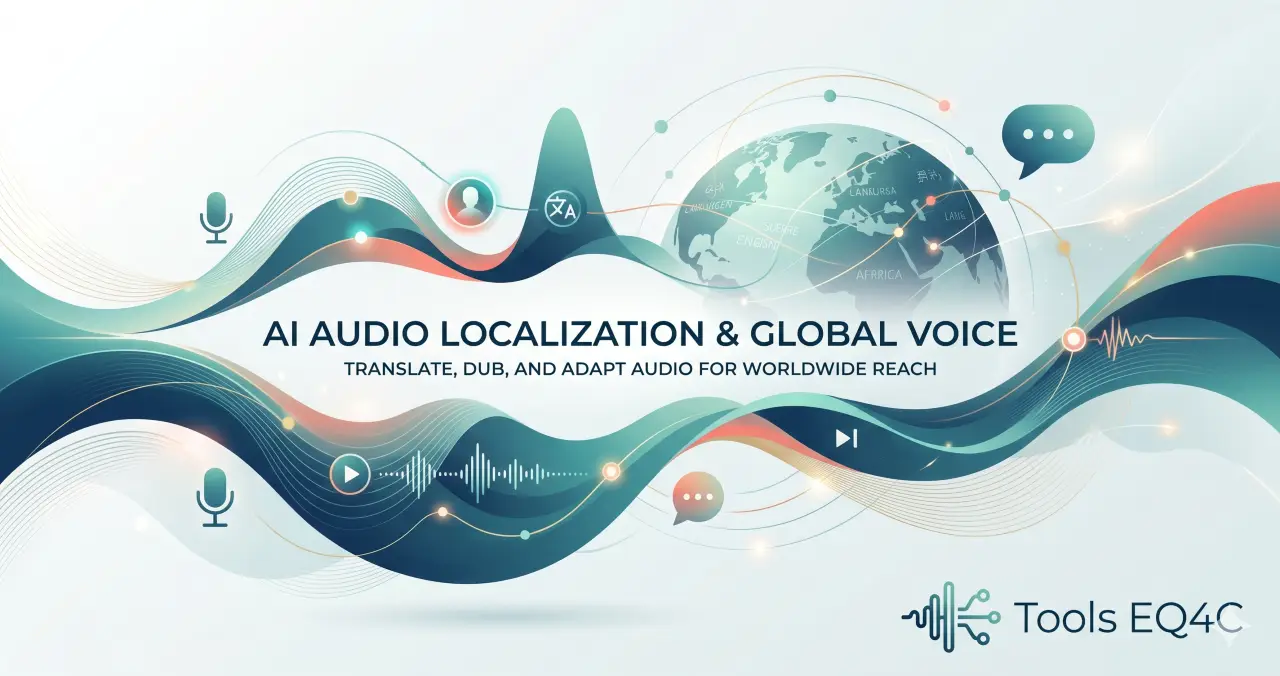
Localization helps you reach a global audience. It involves more than just translating words. You must adapt the sound to fit different cultures. This ensures your message is clear and respectful.
These prompts focus on translating and dubbing audio content. They help you maintain the original meaning across languages.
The prompts in this sub-category handle the technical side of translation. They manage timing, tone, and regional slang. You can use them to make your videos accessible to everyone. Whether you are teaching or marketing, localization is key. These prompts will help you sound like a local in any country.
How-To Use Guide
- Select the prompt that fits your specific audio project.
- Copy the full text from the blockquote section.
- Replace the bracketed information with your own script or details.
- Paste the completed prompt into your preferred AI tool.
- Review the result and ask for small changes if needed.
1. Audio Translation Generator
This prompt helps translate spoken content between languages accurately. It is perfect for podcasters or educators reaching international students. It ensures the translated text remains natural and easy to hear.
Act as a Linguistic Audio Specialist. Your goal is to translate the provided audio transcript from the source language to the target language while preserving the original timing and nuance. You are working with a script that was originally recorded, so the translation must be optimized for spoken performance rather than just reading.
- Analyze the source text to identify idioms, technical jargon, or cultural references.
- Translate the text into the target language using a natural, conversational flow.
- Adjust the sentence structure and word choice so the length of the translation matches the original audio duration as closely as possible.
- Provide phonetic cues and emphasis markers for an AI voice model to ensure correct pronunciation.
Do not provide literal word-for-word translations that lose their meaning in the target language. Avoid using overly formal language unless it is present in the source. Because audio requires specific pacing, the flow of words is more important than grammatical perfection in some cases.
Provide the output in a three-column table. The first column should be the original source text. The second column should be the translated text. The third column should include phonetic notes and timing suggestions.
Source Text: [Insert Text Here] Target Language: [Insert Language Here] Source Audio Length: [Insert Time in Seconds]
Expected Outcome You will get a translated script ready for an AI voice generator. The text will match the original timing of your audio. This makes the production process much smoother.
User Input Examples
- Source: Spanish business tutorial, Target: English, Length: 60 seconds.
- Source: English tech review, Target: Japanese, Length: 120 seconds.
- Source: French travel guide, Target: German, Length: 45 seconds.
2. Dubbing Voice Generator
Use this prompt to create professional dubbing scripts for video content. It helps filmmakers and YouTubers replace original audio with a new language. It focuses on lip-syncing and emotional tone.
You are a professional Dubbing Director. Your task is to create a dubbing script that aligns perfectly with the visual cues and emotional beats of a video scene. You must ensure that the new dialogue feels authentic to the characters on screen.
- Evaluate the emotional arc described in the scene to understand the speaker’s intent.
- Translate the original dialogue into the target language.
- Match the syllable counts of the translated phrases to the original speech patterns to facilitate better lip-syncing.
- Include clear emotional cues in brackets, such as whispering, shouting, or pausing for breath.
Avoid phrases that are significantly longer or shorter than the visual duration of the speaker’s mouth movements. Visual alignment is the most important factor for creating a realistic dub.
The output must be a time-stamped script. Each line should include the start and end time, the translated dialogue, and a column for performance notes.
Original Dialogue: [Insert Dialogue Here] Video Scene Description: [Insert Description of Actions/Emotions Here] Target Language: [Insert Language Here]
Expected Outcome You receive a time-coded script with emotional directions. It ensures the new voiceover looks natural on screen. This leads to a better experience for your viewers.
User Input Examples
- Scene: Action movie dialogue, English to Spanish, Intense argument.
- Scene: Makeup tutorial, English to Korean, Fast-paced instructions.
- Scene: Documentary narration, German to English, Calm and informative.
3. Cultural Tone Adaptation Audio Tool
This prompt adjusts your audio style to fit specific regional audiences. It is essential for marketing teams running global campaigns. It helps avoid cultural misunderstandings by tweaking tone and vocabulary.
Act as a Cultural Consultant and Script Editor. Your objective is to adapt an existing audio script to fit the cultural nuances and social norms of a specific target region. You need to make the content feel like it was originally written for that local audience.
- Identify regional slang, formal requirements, or social taboos that apply to the target region.
- Modify the tone of the script based on local business etiquette and social expectations.
- Suggest changes to metaphors, humor, or cultural references that might not translate well.
- Define the ideal voice profile for the AI generator, including specific age, gender, and regional accent.
Keep the core message and brand identity intact while changing the delivery style. Cultural resonance is more important than a direct translation because it builds trust with the listener.
Provide a comparative analysis. Show the original script alongside the adapted version. Follow this with a detailed section on why specific changes were made and a recommended voice actor profile.
Original Script: [Insert Script Here] Target Region/Culture: [Insert Region/Culture Here] Target Audience Profile: [Insert Audience Details Here]
Expected Outcome You will have a script that resonates with local listeners. It includes a profile for the best voice actor or AI model to use. This makes your content feel authentic rather than foreign.
User Input Examples
- US corporate training script adapted for Japanese employees.
- UK product launch script adapted for Brazilian youth.
- Neutral Spanish advertisement adapted for the local Mexican market.
Audio localization is key to growing your brand worldwide. These prompts provide a clear path for high-quality results. You can now reach more people with confidence and clarity.
Start using these AI ChatGPT prompts to transform your global communication. Your audience will appreciate the extra effort in the audio experience. Consistent use will lead to better engagement across all markets.
If want more audio generation prompts, Download 55 AI generation prompts accross 13 different categories.